.png)
The Psychology Behind The Menu: Who Really Deserved to Survive?
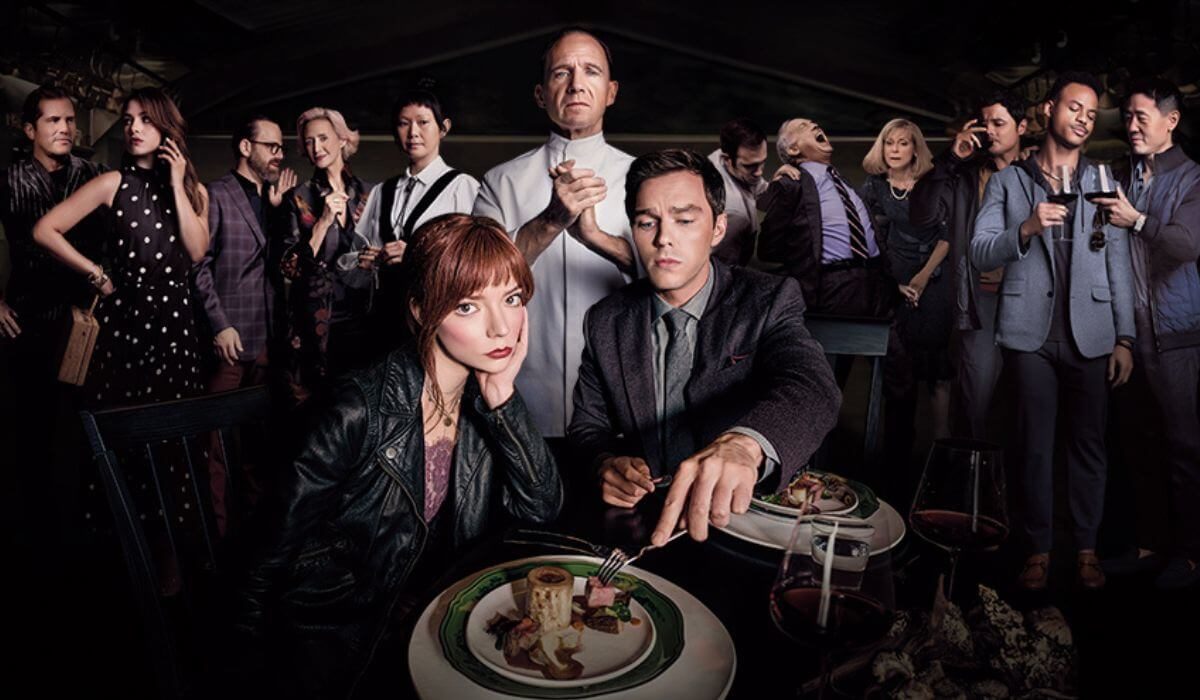
The exploration of human behavior, desires, and moral judgments often finds fascinating representations in modern narratives. One such recent work is the film "The Menu," which combines culinary artistry with psychological intrigue, showcasing a world where survival hinges not just on physical abilities but also on a deeper understanding of one's character and intentions. As viewers traverse this darkly comedic thriller, they are confronted with questions about worthiness, choice, and the lengths to which individuals will go when pitted against each other in a life-or-death scenario.
Understanding the Psychological Elements
The psychological layers within "The Menu" invite us to analyze the characters' motivations and moral standpoints. Each guest represents various societal archetypes, highlighting the discrepancies in privilege and the consequences of indulgence. The film forces the audience to question which characters have earned their place at the table and which ones are merely benefitting from the system. This examination of privilege becomes paramount, as it suggests that individuals who embody deeper self-awareness and accountability are more deserving of survival compared to those who are morally ambiguous or selfish.
The Role of "The Menu Merchandise"
The merchandising strategy surrounding "The Menu" adds a unique layer to the narrative’s psychology. Available merchandise not only capitalizes on the film's themes but also allows fans to engage with its message beyond the screen. Items such as curated chef knives, themed aprons, and even recipe books are not merely merchandise; they symbolize a viewer's connection to the culinary culture depicted in the film. By possessing a piece of "The Menu," fans mirror the characters’ desires for prestige and luxury—essentially becoming participants in the same game of selective worthiness. This commercialization taps into the viewer's desire to align themselves with the perceived sophistication and high-stakes world portrayed in the film.
Survival of the Fittest: Moral Implications
Conclusion: A Reflection on Human Nature
By the end of "The Menu," audiences are left pondering the true nature of survival and the inherent moral codes that dictate our actions. The film and its associated merchandise serve as a reminder of the complexities inherent in human desires, societal expectations, and ethical dilemmas. It ignites discussions around entitlement, privilege, and the roles we play in the narratives of others. In a world where survival often depends on the choices we make, understanding the psychology behind those choices—both on-screen and in real life—remains an essential dialogue. Ultimately, "The Menu" engages us not just as spectators, but as participants in an ongoing exploration of our own moral landscapes.


